Wholesome bakes, made in small batches.
I bake the way I recommend people eat: real ingredients, gently sweetened, nothing added just to fill a gap. Each bake starts from what goes into it — green buckwheat, oats, chickpeas, dates, ghee — not only from what it leaves out.
Everything is made to order in my own kitchen by me, Galina — a nutrition consultant with a medical degree.
We are what we eat.
That’s why I pay such close attention to what goes on the plate. Food is what the body builds every cell from; it shapes our energy and how we feel, and through it we influence a great many processes in the body. So it’s worth thinking about what we’re really feeding our cells. This is my whole outlook on life — and the heart of everything I do.
How I bake
- I cook chickpeas myself rather than using tinned ones, and soak them first: chickpeas, like other legumes, contain phytic acid and lectins, and soaking and cooking reduce them. More in my guide to phytic acid
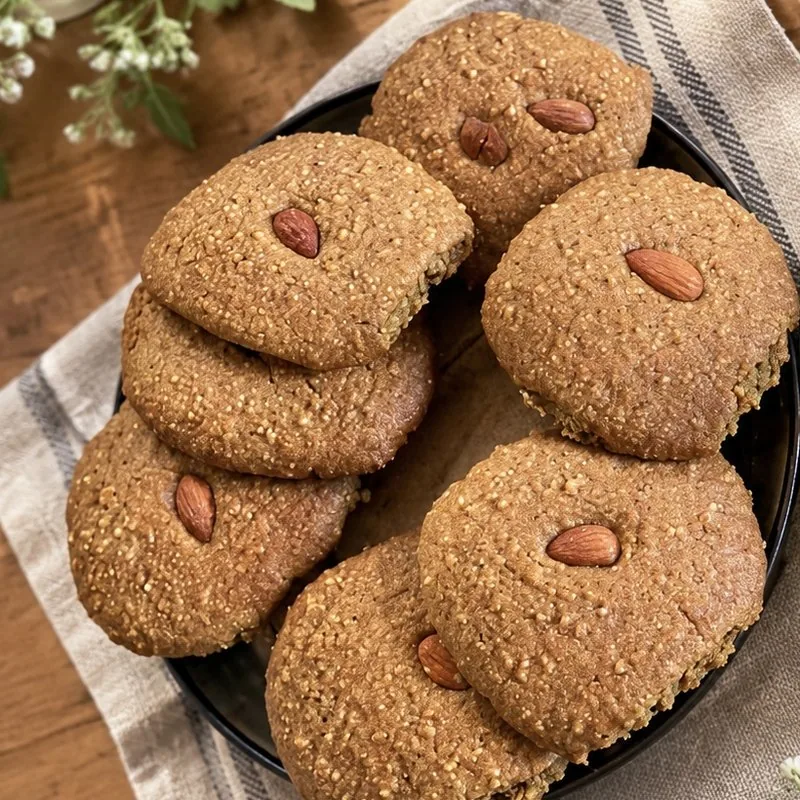
- Whole nuts — like the almond on each oat cookie — are soaked before they go into the oven, for the same reason: phytic acid binds minerals such as iron and zinc, and soaking reduces it.
- I choose ingredients with quality certificates. My cocoa is always organic and certified.
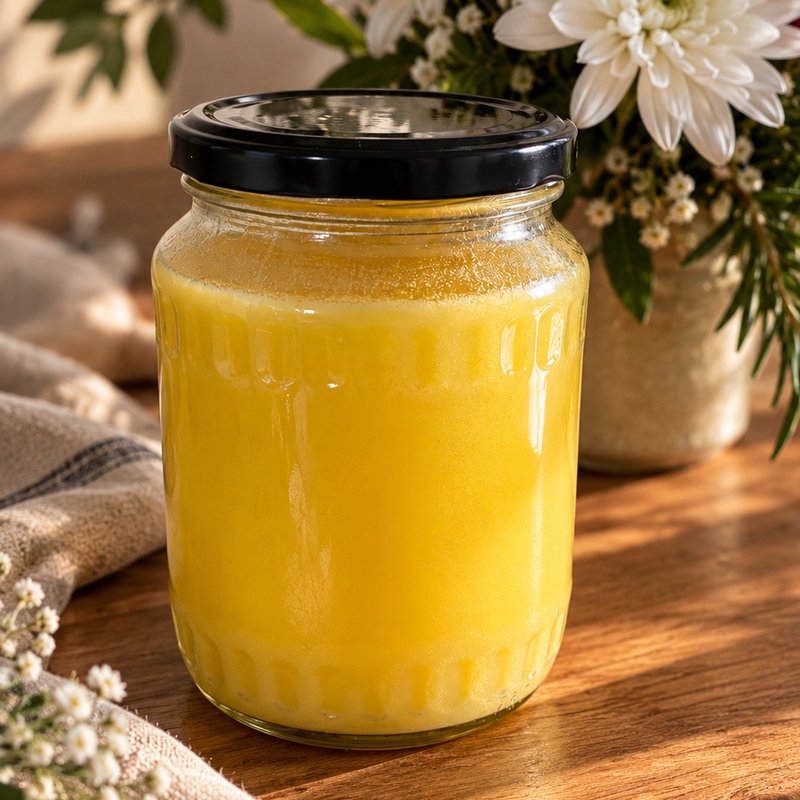
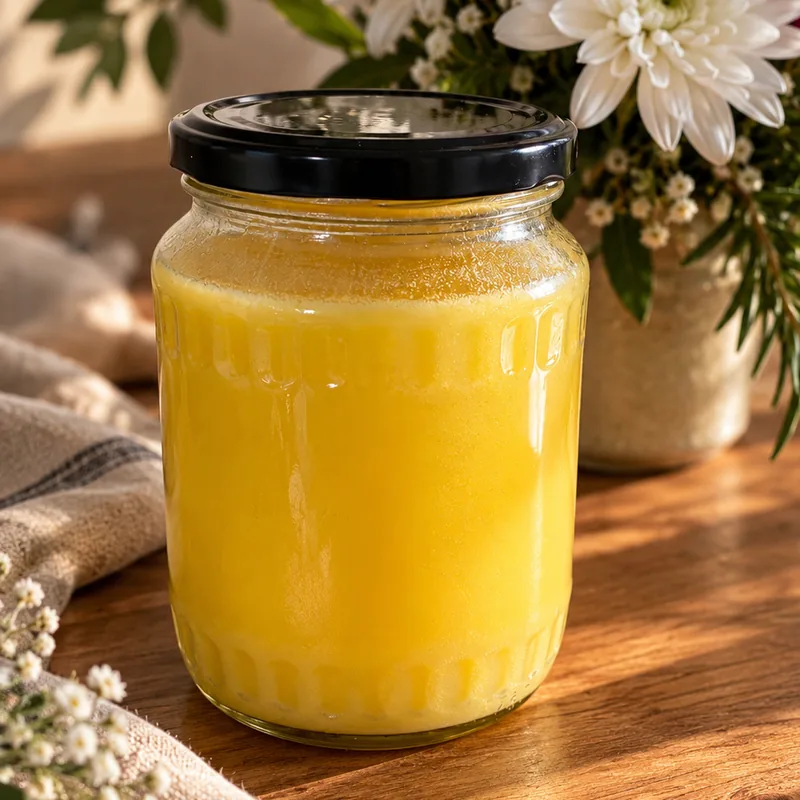
Ghee (clarified butter)
Ghee comes from India, where it has been made for thousands of years: with the water simmered away, butter keeps without a fridge even in the heat, and it became a staple of Indian cooking and Ayurveda. I make mine by hand in small batches — butter slowly simmered until the water evaporates and the milk solids — milk protein and milk sugar (lactose) — separate and sink, then strained through muslin, so the solids stay behind.
Why it’s good
A source of vitamin A, which contributes to the maintenance of normal vision and normal skin and to the normal function of the immune system. Without the water and milk solids, ghee takes high heat — its smoke point is around 250 °C — so it’s made for frying, roasting and baking. I don’t cook with refined oils: ghee is what I use in my own kitchen and in all my bakes. Its mild, gently nutty taste suits everything, savoury or sweet.
- What’s inside
- Butter.
- Allergens
- Milk.
- Keeping
- No need for the fridge: keep the jar closed, away from heat and light, and always use a clean, dry spoon. The best-before date is on the label.
Prices
250 g jar £12 500 g jar £22 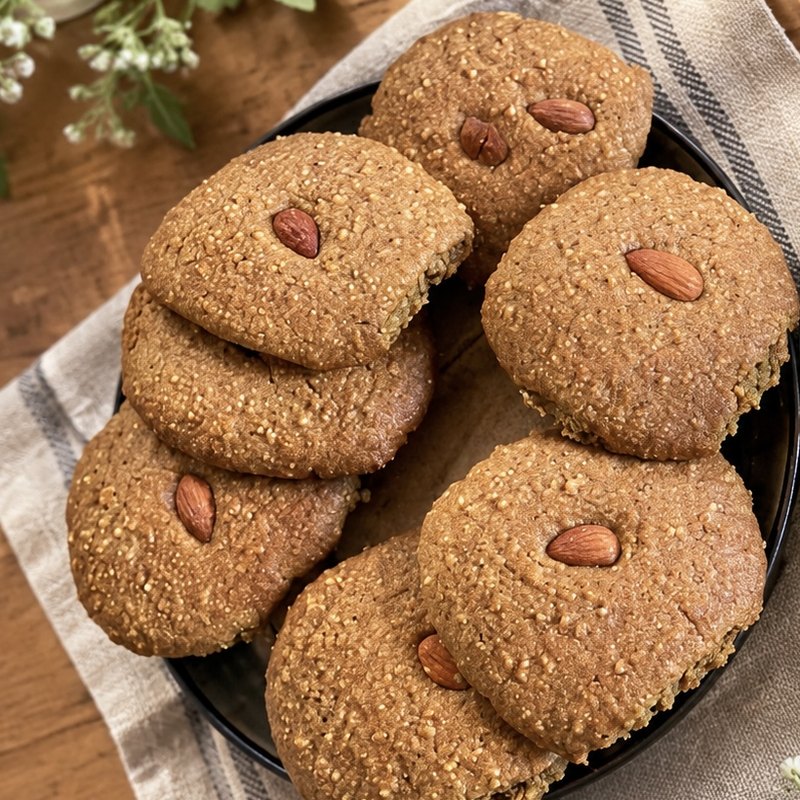
Oat & green buckwheat cookies
Crisp, lightly lemony, with a warm hint of cinnamon.
Why it’s good
A source of magnesium and fibre. The magnesium comes from green buckwheat and oats, and magnesium contributes to a reduction of tiredness and fatigue, to normal muscle function and to the normal functioning of the nervous system.
- What’s inside
- Gluten-free oat flour and green buckwheat flour, coconut oil and coconut milk, lemon zest, vanilla and cinnamon, finished with an almond. Sweetened with coconut sugar.
- Allergens
- Oats, almonds.
- Keeping
- Keep in the fridge. They soften as they wait, so for extra crunch warm them in the oven or an air fryer at 180 °C for 3–5 minutes before eating.
Prices
6 cookies £12 12 cookies £22 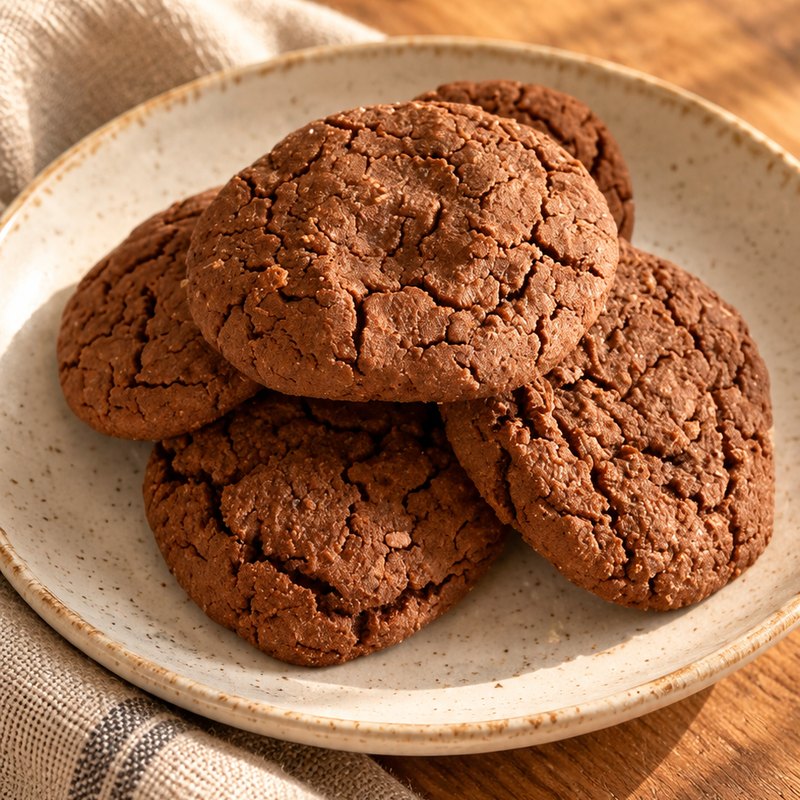
Carob & chickpea cookies
Soft and chocolatey — without any cocoa.
Why it’s good
A source of protein and fibre — about 8 g of protein per 100 g, from chickpeas and almond butter. Protein contributes to the maintenance of muscle mass. Chickpeas instead of flour, and carob instead of cocoa, so there’s no caffeine.
- What’s inside
- Chickpeas, almond butter, dates and carob. Sweetened with dates and carob.
- Allergens
- Nuts (almonds).
- Keeping
- If you don’t eat them straight away, keep them in the fridge. If you won’t finish them within a few days, freeze them, then warm them in the oven or an air fryer before serving.
Prices
6 cookies £10 12 cookies £19 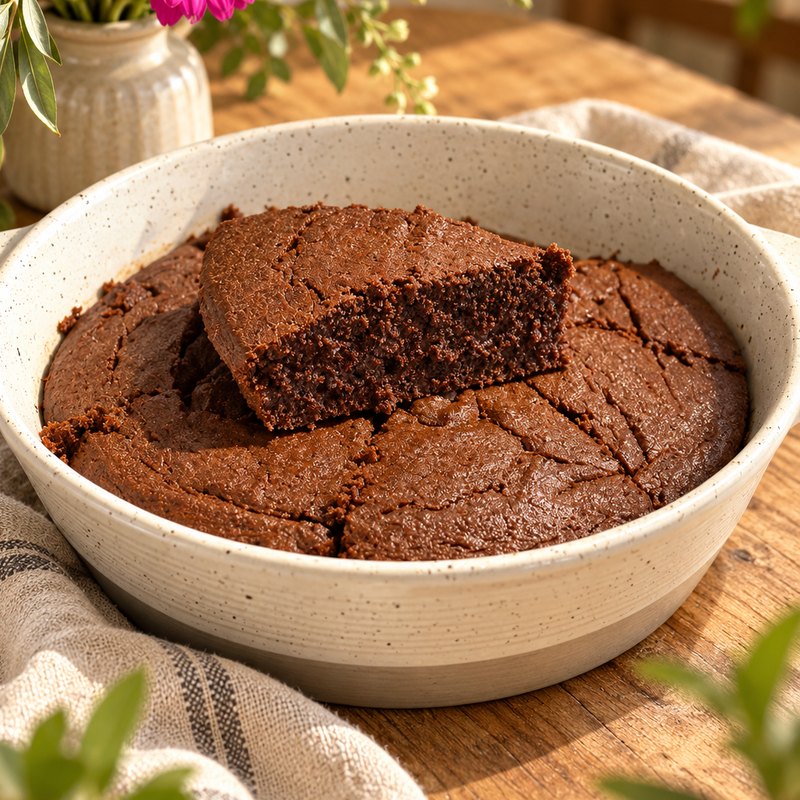
Joseph’s chocolate brownie
Rich, tender and deeply chocolatey.
Why it’s good
A source of copper, from cocoa — copper contributes to normal energy-yielding metabolism and to the protection of cells from oxidative stress. It’s still a dessert: something to enjoy after a meal, as part of the 20% of your diet that’s simply for pleasure.
- What’s inside
- Gluten-free flour blend (rice flour, potato starch, maize flour), cocoa, eggs, ghee, creamed coconut and coconut milk, vanilla. Sweetened with coconut sugar.
- Allergens
- Eggs, milk (ghee).
- Keeping
- Keep in the fridge in a closed container — the chocolate flavour is even deeper the next day.
Prices
1 slice £3.50 4 slices £13 Whole brownie, 8 slices £24 Whole brownie by pre-order only, at least 2 days ahead.

Gluten-free beef buns (frozen, to bake at home)
Soft gluten-free buns filled with slow-cooked beef, onion and courgette — frozen unbaked, so they come out of your own oven fresh.
Why it’s good
High in protein — about 15 g per 100 g, from slow-cooked beef and eggs. Protein contributes to the growth and maintenance of muscle mass. A source of zinc and vitamin B12: zinc contributes to the normal function of the immune system, and vitamin B12 to the reduction of tiredness and fatigue and to normal red blood cell formation. The dough is gluten-free — green buckwheat flour, courgette for softness, and psyllium husk to bind it in place of gluten.
- What’s inside
- Slow-cooked beef, green buckwheat flour, gluten-free flour blend, eggs, ghee, onion, courgette, psyllium husk, salt and gluten-free baking powder; brushed with egg yolk.
- Allergens
- Eggs, milk (ghee).
- Keeping
- I fill and shape the buns to order, then freeze them unbaked the same day. Keep frozen at −18 °C and don’t refreeze once defrosted. To bake, defrost in the fridge overnight, then bake at 180 °C for 25–30 minutes, depending on your oven, until golden and piping hot all the way through. Best baked within 1 month of the freezing date on the label.
Prices
1 bun £3.50 Box of 6 £18 Pre-order only.
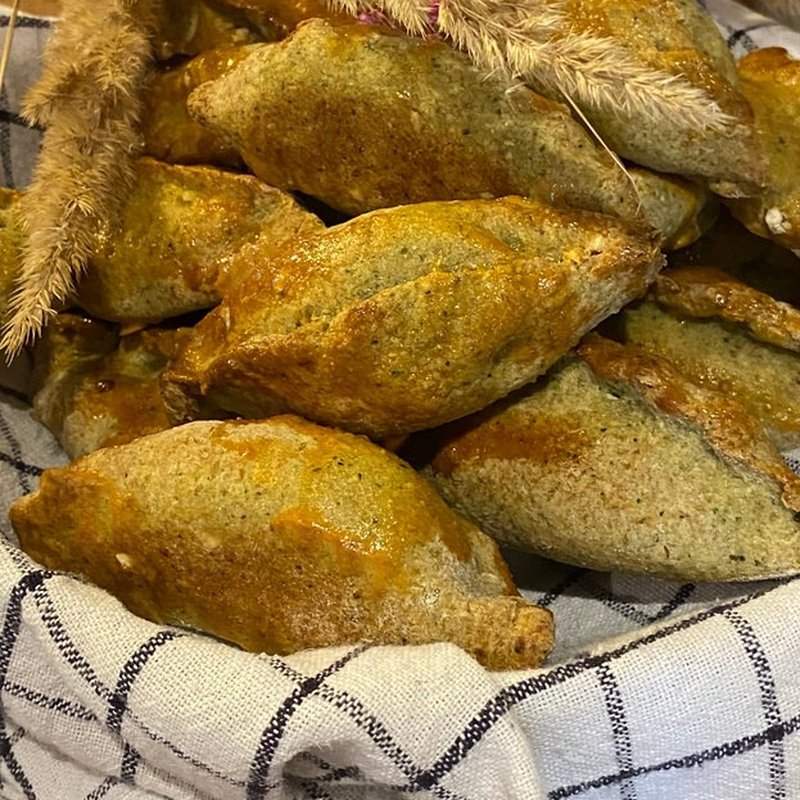
Gluten-free carrot & apple buns (frozen, to bake at home)
The same soft gluten-free buns, filled with carrot and apple — meat-free, and gently sweet from the fruit alone.
Why it’s good
No added sugar — contains naturally occurring sugars from the apple and carrot. I always add a little olive oil to the filling: the beta-carotene in carrot (which the body turns into vitamin A) is fat-soluble, so it’s absorbed better with fat. If the apples are waxed, I always peel them, so no wax ends up in the filling. The dough is gluten-free — green buckwheat flour, courgette for softness, and psyllium husk to bind it in place of gluten.
- What’s inside
- Green buckwheat flour, gluten-free flour blend, ghee, courgette, carrot, apple, olive oil, psyllium husk, salt and gluten-free baking powder; brushed with egg yolk.
- Allergens
- Eggs (the yolk glaze), milk (ghee). Allergic to eggs? Say so when you order and I’ll brush them with ghee instead — they still turn golden.
- Keeping
- I fill and shape the buns to order, then freeze them unbaked the same day. Keep frozen at −18 °C and don’t refreeze once defrosted. To bake, defrost in the fridge overnight, then bake at 180 °C for 25–30 minutes, depending on your oven, until golden and piping hot all the way through. Best baked within 1 month of the freezing date on the label.
Prices
1 bun £3 Box of 6 £15 Pre-order only.


Collection
Collection by arrangement — message me with your order and I’ll send you the collection details and a time that suits you. Coming soon: pre-order and collect in Stamford.
Allergens
Made in a home kitchen that also handles nuts, sesame, eggs and milk, so traces may be present. The full ingredients and allergens are on every box.
Registered food business · Level 2 Food Safety & Hygiene certified
Also from TheraBee
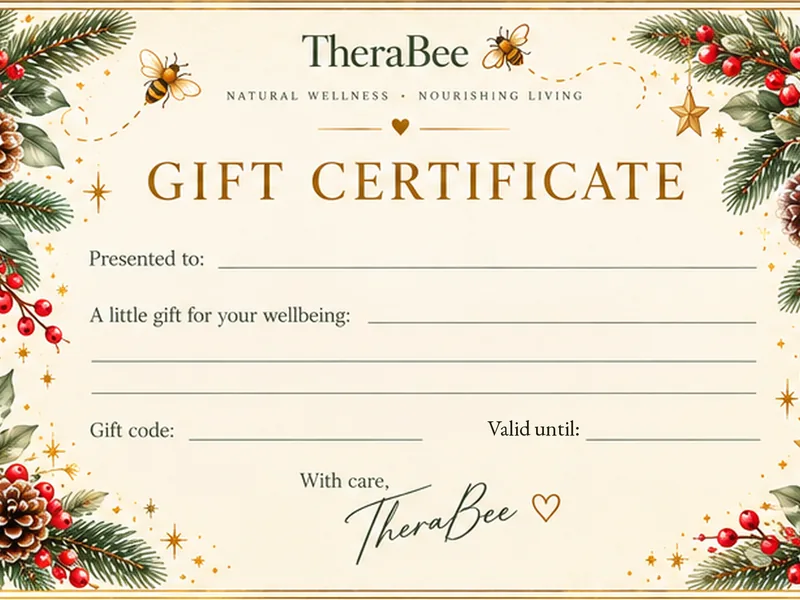
Everything else I make by hand — and gift certificates, if you’d like to treat someone.
Behind the bakes
These are the bakes I make for my own family. If you’d like help with your own nutrition, I also offer consultations online.
About my consultations